


Empowering Women Through Health Education: Benefits of Women's Health Education
Health education is a powerful tool that can transform lives, especially for women. When women are equipped with the right knowledge about their health, they gain the confidence and ability to make informed decisions. This empowerment leads to better health outcomes, stronger communities, and a more equitable society. Understanding the benefits of women's health education is essential for fostering a future where every woman can thrive.
The Benefits of Women's Health Education
Women's health education provides numerous advantages that extend beyond individual well-being. It promotes awareness about reproductive health, nutrition, mental health, and preventive care. Educated women are more likely to seek timely medical help, follow treatment plans, and adopt healthier lifestyles.
Some key benefits include:
Improved Maternal and Child Health: Knowledge about prenatal care, childbirth, and infant nutrition reduces risks during pregnancy and infancy.
Prevention of Diseases: Awareness about common health issues such as breast cancer, cervical cancer, and sexually transmitted infections encourages early detection and prevention.
Mental Health Awareness: Understanding mental health challenges helps women recognize symptoms and seek support.
Empowerment and Autonomy: Health education fosters self-confidence and decision-making power regarding personal and family health.
Economic Benefits: Healthy women are more productive and can contribute more effectively to their families and communities.
By investing in women's health education, societies can break cycles of poverty and improve overall public health.
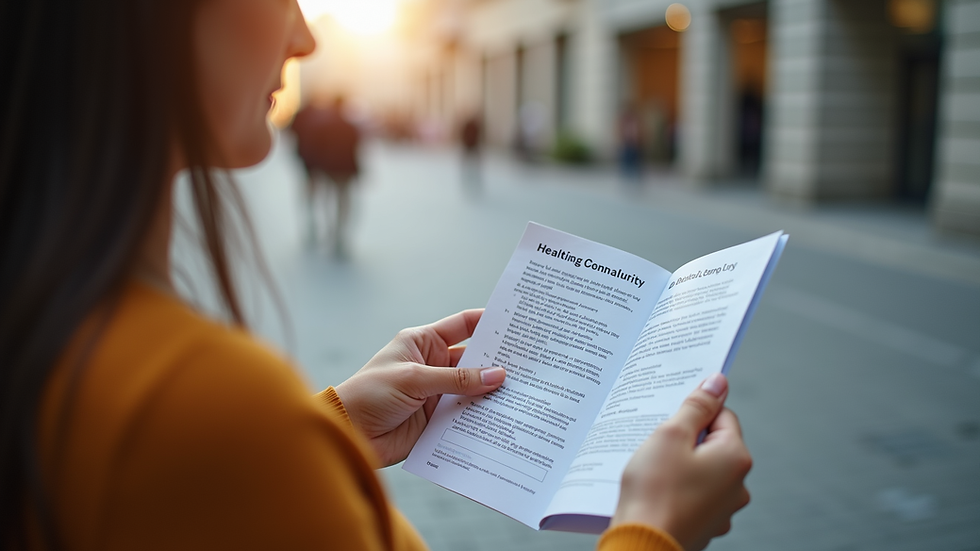
Key Areas of Focus in Women's Health Education
To maximize the impact of health education, it is important to cover several critical areas:
Reproductive and Sexual Health
Understanding reproductive anatomy, contraception options, menstrual health, and sexually transmitted infections is vital. This knowledge helps women plan their families, avoid unwanted pregnancies, and protect themselves from infections.
Nutrition and Physical Activity
Proper nutrition and regular exercise are foundational to good health. Education on balanced diets, vitamins, and physical activity can prevent obesity, diabetes, and heart disease.
Mental Health and Well-being
Mental health education addresses stress management, depression, anxiety, and emotional resilience. It encourages women to seek help and reduces stigma around mental health issues.
Preventive Health Care
Regular screenings, vaccinations, and health check-ups are essential for early detection of diseases. Teaching women about these preventive measures can save lives.
Chronic Disease Management
Information on managing conditions like diabetes, hypertension, and osteoporosis empowers women to maintain their health and avoid complications.
Practical Strategies to Promote Women's Health Education
Effective health education requires tailored approaches that consider cultural, social, and economic factors. Here are some actionable recommendations:
Community Workshops and Seminars
Organize local events where healthcare professionals provide interactive sessions on women's health topics. These workshops can be held in community centers, schools, or workplaces.
Use of Digital Platforms
Leverage social media, mobile apps, and websites to disseminate accurate health information. Digital tools can reach a wider audience, especially younger women.
Peer Education Programs
Train women within communities to become health educators. Peer educators can build trust and communicate in culturally sensitive ways.
Collaboration with Healthcare Providers
Encourage healthcare professionals to incorporate education during routine visits. Personalized advice increases the likelihood of behavior change.
Accessible Educational Materials
Develop brochures, videos, and posters in multiple languages and simple formats to ensure comprehension.
School-Based Health Education
Integrate comprehensive health education into school curricula to prepare girls from an early age.

Overcoming Barriers to Women's Health Education
Despite its importance, several obstacles hinder women's access to health education:
Cultural Taboos and Stigma
In some communities, discussing reproductive or mental health is taboo. Overcoming these requires sensitive communication and involvement of community leaders.
Limited Access to Resources
Rural or low-income areas may lack healthcare facilities or educational materials. Mobile clinics and outreach programs can help bridge this gap.
Low Literacy Levels
Simplified language, visuals, and oral presentations can make information accessible to women with limited literacy.
Gender Inequality
Women may have less autonomy or time to attend educational sessions. Flexible scheduling and family-inclusive programs can improve participation.
Addressing these barriers is crucial to ensure that health education reaches all women, regardless of their background.
The Role of Policy and Advocacy in Women's Health Education
Government policies and advocacy efforts play a significant role in promoting women's health education. Supportive policies can:
Mandate comprehensive health education in schools.
Fund community health programs targeting women.
Ensure equitable access to healthcare services.
Promote research on women's health issues.
Advocacy groups can raise awareness, influence policy changes, and mobilize resources. Collaboration between governments, NGOs, and communities is essential for sustainable progress.
Empowering women through health education is not just a health issue but a matter of human rights and social justice. By prioritizing this, societies can unlock the full potential of women and create healthier, more resilient communities.
Empowering women through health education is a transformative approach that benefits individuals and society alike. By understanding the benefits of women's health education and implementing practical strategies, we can create a world where every woman has the knowledge and confidence to take charge of her health.
For more information on women's health education initiatives, visit this resource.


Comments